



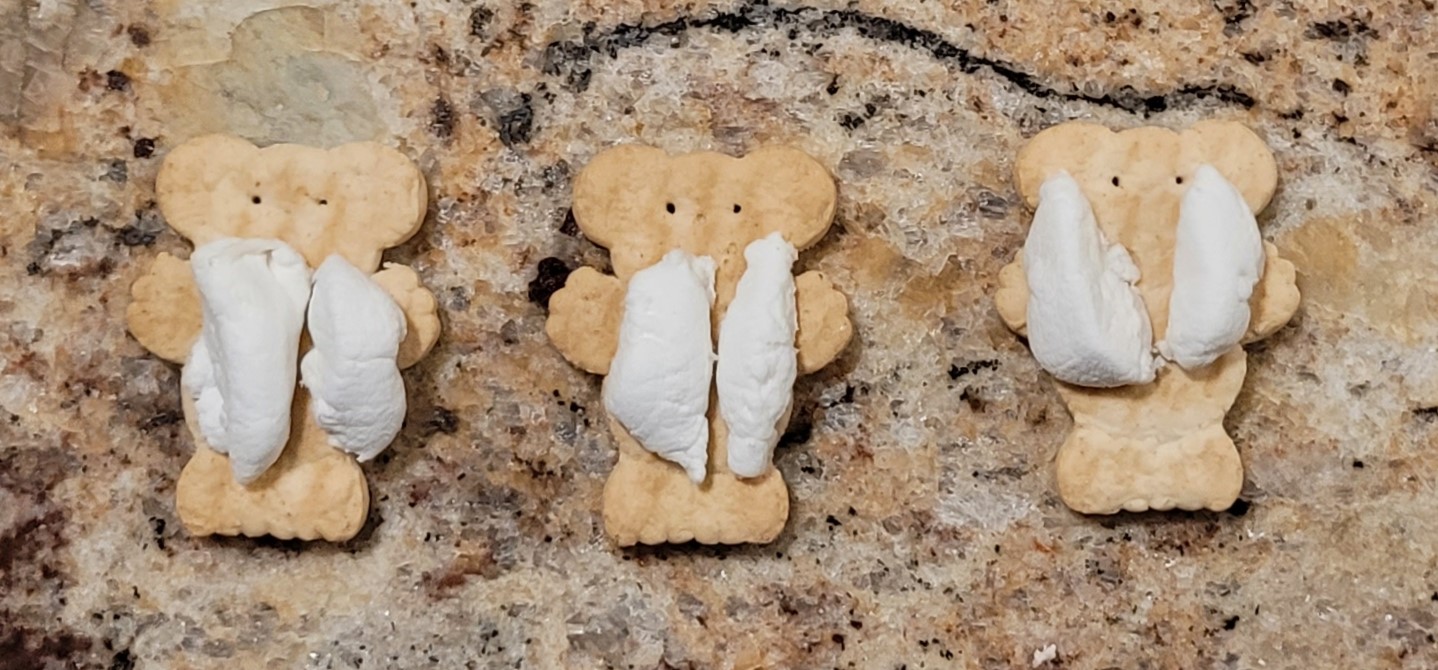
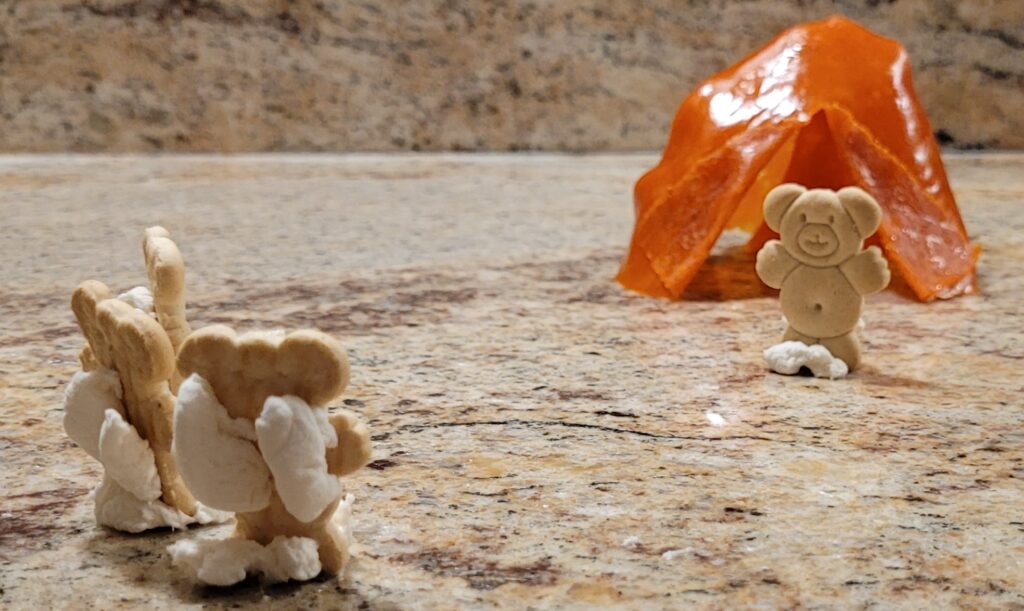
| And G-d appeared to him amongst the oaks of Mamrei, and he sat in the entrance of the tent, in the heat of the day. | Vayeira eilav adoshem be-Elonai Mamrei, vehu yoshev petach ha-ohel, kechom hayom. | וַיֵּרָא אֵלָיו יְהֹוָה בְּאֵלֹנֵי מַמְרֵא וְהוּא יֹשֵׁב פֶּתַח־הָאֹהֶל כְּחֹם הַיּוֹם׃ |
Torah Thoughts
Parashat Veyeyra gives us SO MANY options from which to choose, so many famous stories! They include:
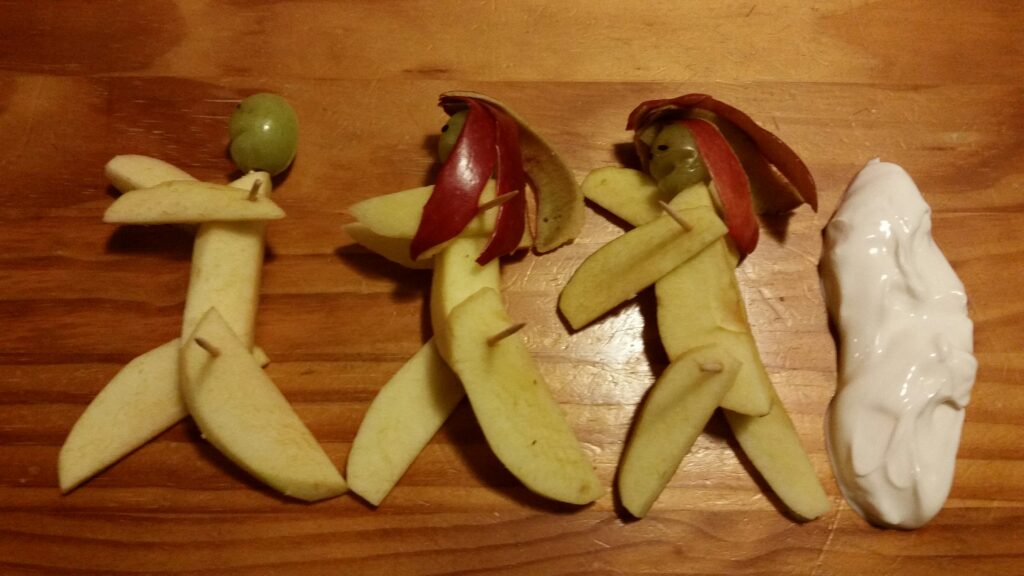
1. Avraham sitting at the entrance of his tent, seeing the three angels/people/messengers approach;
2. Lot and family fleeing Sodom, and his wife turned into a pillar of salt;
3. Baby Ishmael under the bush, and the angel coming to Hagar and showing her the well of water;
4. The binding of Isaac.
This week’s parsha also tells us a brit should be when a Jewish boy is 8 days old!